
Bitcoin Casinos in Canada 2026: How Crypto Deposits, Faster Payouts, and Provincial Rules Actually Work for Canadian Players

Two years ago a reader emailed me to ask whether Bitcoin was worth using at an online casino. Back then I answered it like a technical workaround — niche, a bit fussy, only really for people who already lived in wallets. That framing is dead in 2026. Crypto is just another payment rail at Canadian-facing casinos now, sitting right alongside Interac, Visa, and bank transfer. Except it behaves nothing like any of them. No chargeback. No bank in the middle. No three-day settlement window. And nobody to call when a deposit lands on the wrong network.
That gap is the whole story. I've spent a lot of time in operator terms, provincial regulator pages, and player complaint threads, and the same three questions come up every single time: how do deposits actually work, why are payouts faster (and when are they not), and what do the provincial rules mean for me? Plain answers below, minus the hype that wraps around most crypto gambling content. It applies to players in every province — though the rules change the second you cross a provincial border.
What 'Bitcoin Casino' Actually Means in Canada in 2026
Strictly defined, a Bitcoin casino is an online casino that takes BTC — and usually ETH, LTC, and USDT as well — as a deposit and withdrawal method. That's it. That's the whole definition. The label tells you nothing about who licenses the operator or how the games are audited, and that's where most of the confusion starts.
In practice, three models exist for Canadian players:
- Provincially regulated sites that added crypto rails. Rare, but real. Licensed operators already running in a regulated market, who bolted crypto processing on top.
- Offshore crypto-native casinos serving Canadians. The most common category. Licensed somewhere — Curaçao, Kahnawake, Anjouan — and open to Canadian players without a domestic licence.
- Crypto-only platforms with no fiat option at all. No cards, no bank wires. You're in crypto or you're not playing.
One misconception worth killing right away: accepting Bitcoin does not make a casino 'unregulated.' Some crypto casinos hold real licences with real complaint processes attached. And it cuts the other way too — being regulated guarantees nothing about crypto support, since most provincially licensed operators in Canada still don't touch it.
Crypto Casino vs. Crypto Payment Option
There's a real difference between a casino built around crypto and a conventional casino that outsources deposits to a processor. A crypto-native site typically runs instant wallet-to-balance crediting, offers provably fair games with verifiable seeds, and has no fiat banking layer at all. A traditional casino with a crypto processor still routes your withdrawal through an approval queue designed for card reversals. Same coin, completely different plumbing. That distinction is exactly what decides whether a payout takes minutes or days — and it's the section I get the most questions about.
How Crypto Deposits Work for Canadian Players
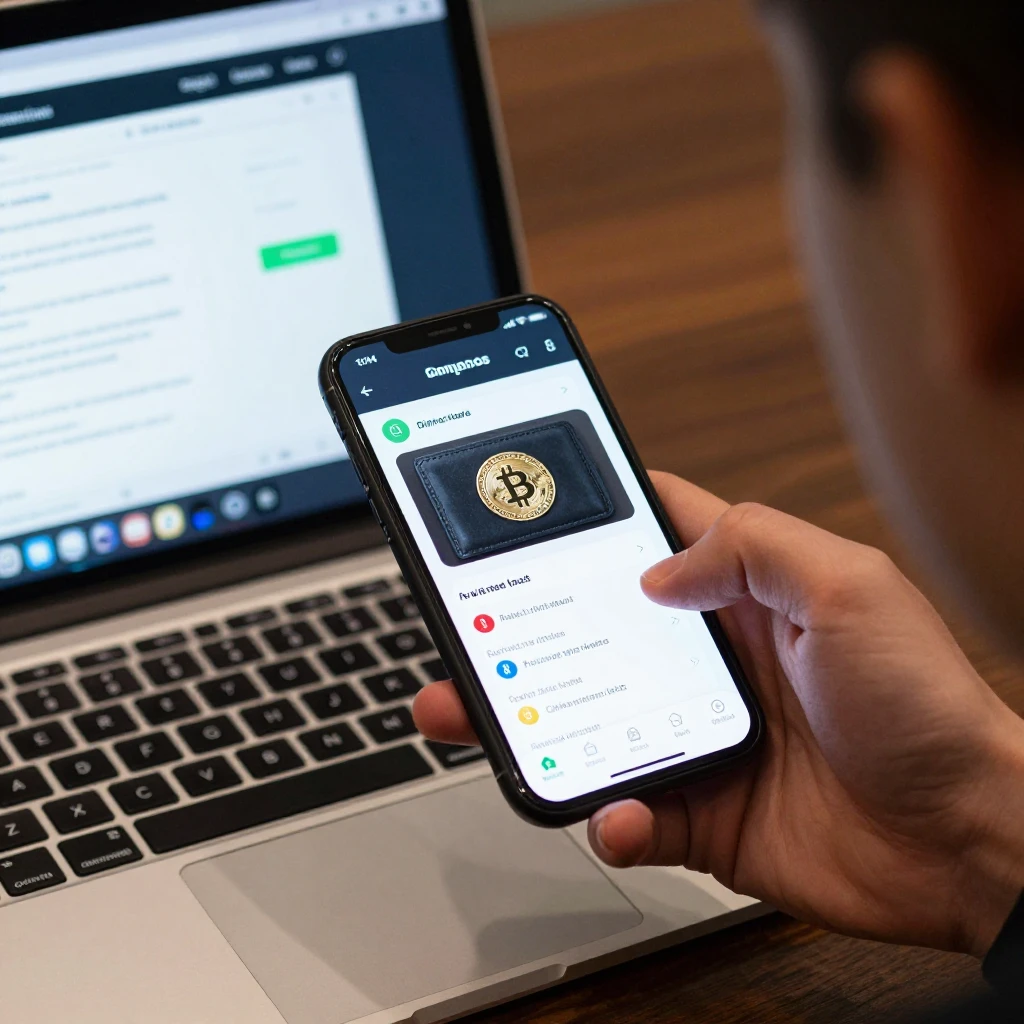
The mechanics are simpler than they sound. You need a wallet, an address, the right network, and some patience for confirmations.
- Set up a wallet. Either a custodial exchange account (easy, but you don't hold the keys) or a self-custody wallet (more control, more responsibility). Most Canadians start custodial.
- Copy the deposit address from the casino cashier. Addresses are per-asset, and often per-player.
- Select the network. This is the step people get wrong. Bitcoin has mainnet and Lightning. USDT exists on TRON, Solana, Ethereum, and more.
- Send and wait for confirmations. Typically one to three for BTC, and some casinos credit at zero confirmations for smaller amounts.
- Balance credits — usually within minutes on a well-built platform.
Network choice matters more than anything else here. Bitcoin mainnet is secure but slow and, at times, expensive. Lightning is instant and nearly free, though not universally supported. USDT on TRON or Solana is cheap and fast, which is why so many players use it for gambling even when they think of themselves as 'Bitcoin players.' Send USDT on the wrong chain and the funds are usually gone — no reversal, no support ticket that fixes it. So start with a small test deposit. Every time. I've watched people skip that step exactly once and then never again.
On-ramping is the other half of the picture. Most Canadians buy crypto on an exchange first, then move it to a wallet. The exchange is where the real identity verification happens.
KYC, Limits, and What Casinos Ask For
Verification is tiered almost everywhere. Small deposits often clear with no ID at all. Larger withdrawals — and 'larger' can mean a few hundred dollars at some operators — almost always trigger it: government ID, proof of address, sometimes proof of payment method. The casino's obligations are separate from your exchange's obligations. Canadian anti-money-laundering rules land on the exchange as a regulated financial entity, not on an offshore casino. That nuance matters, because it means the exchange knows exactly who you are even when the casino doesn't yet.
Why Payouts Are Faster — And Where the Delays Actually Come From
I want to be straight about the speed claim, because it gets oversold. A card or bank withdrawal typically takes one to five business days and can be reversed or clawed back. An on-chain withdrawal, once approved, settles in minutes. That's the real comparison — and note the phrase 'once approved.' Everything hinges on those two words.
The bottlenecks aren't blockchain-related in most cases. They're operational:
- Internal withdrawal review queues — manual approval, often business hours only.
- Pending bonus wagering — you cannot withdraw until playthrough is complete.
- First-withdrawal verification — the single most common cause of delay.
- Blockchain congestion — rare on modern chains, real on Bitcoin mainnet during peak periods.
Realistic 2026 timelines: an approved on-chain withdrawal on a low-fee network lands in five to thirty minutes. Bitcoin mainnet is usually under an hour. A card withdrawal is still one to five business days. Want to skip the queue entirely? Verify your identity before you deposit, clear wagering first, and withdraw on a cheap network. That's it. Three habits, and most of the 'my withdrawal is stuck' complaints stop applying to you.
Provincial Rules — What Changes From Province to Province
Gambling regulation in Canada is provincial, so 'Canadian rules' really is a patchwork. In practice there are three situations: fully regulated and open to private licensed operators (Ontario), provincially operated only (most other provinces), and offshore sites that operate in a grey zone everywhere. Legality for the player turns on where the operator is licensed and where the player resides — not on which coin was used.
Ontario — AGCO and iGO Oversight
Ontario runs the country's only open, regulated iGaming market, overseen by the AGCO with iGO managing operations. It's a genuinely strong framework — but most AGCO-licensed operators don't offer crypto deposits at all. If an Ontario player uses an offshore crypto casino, they're outside that framework and outside its player-protection mechanisms, dispute resolution included.
Other Provinces, First Nations Gaming, and the Grey Zone
Most provinces run their own lottery and casino corporations, and several First Nations gaming agreements — notably in Ontario and Saskatchewan — add another layer of authority. Offshore crypto casinos sit in an enforcement grey area: not explicitly authorized, rarely prosecuted at the player level, and outside any provincial protection scheme. I'm not going to give legal advice here. Check your provincial regulator's site directly.
How to Evaluate a Bitcoin Casino Before You Deposit
Once the mechanics make sense, the next question is where to actually play. My checklist comes down to five things: licensing and jurisdiction, withdrawal limits and stated processing times, deposit network support, bonus wagering terms, and independent complaint history. Work through them in that order — a weak licence makes everything else irrelevant.
Reading ten operator pages side by side is tedious, so I point readers to a curated comparison of bitcoin casinos that lays licence details, payout limits, and network support out in one place. It's a faster way to apply the checklist to real sites rather than in the abstract, and it saves you the tab-hopping.
Red Flags Worth Walking Away From
- No visible licence, or a licence you can't verify on the regulator's own site.
- 'Pending' withdrawal status with no stated maximum duration.
- Bonuses with 60x wagering or higher.
- No stated maximum cashout on a bonus.
- Support that can't name the licensing authority when asked directly.
Common Mistakes Canadian Crypto Casino Players Make
The recurring errors I see are almost boringly predictable. Crypto winnings are taxable in Canada and must be reported at fair-market value at the time you receive them — plenty of players forget this entirely. Many also hold winnings in a volatile asset instead of converting, then watch the value move 20% before they've reported anything. Others assume a .com site is automatically fine and ignore their province's position, or deposit on the wrong network and lose the funds outright. And a surprising number chase bonus wagering without reading the max-bet clause, which voids the whole thing retroactively.
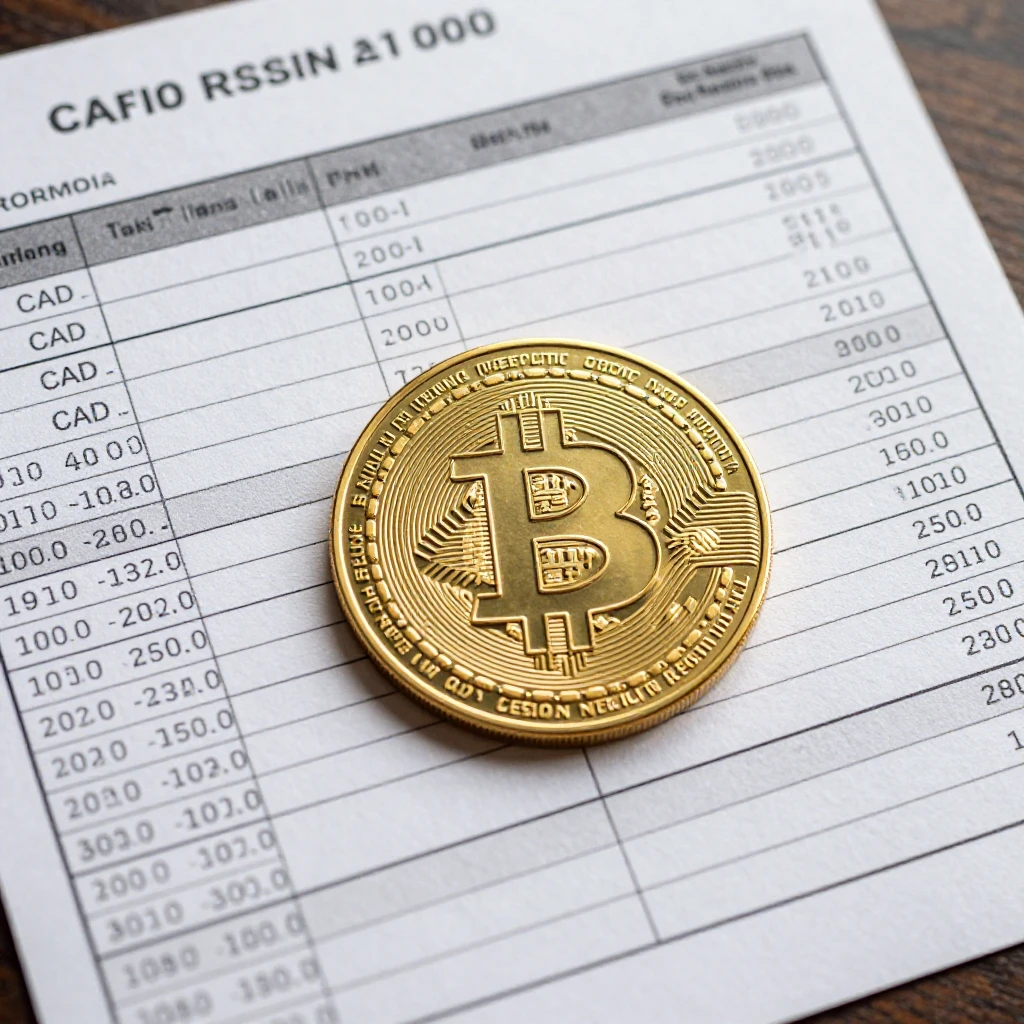
The practical habit that solves most of it: keep records from day one. Timestamped screenshots of every deposit and withdrawal, converted to CAD at the time of receipt. Your future self, and your accountant, will thank you.
Conclusion
Three threads run through all of this. Crypto deposits are fast and cheap, but they shift responsibility onto you — no chargebacks, no wrong-network rescue, no bank stepping in. Payouts are genuinely quick, but only after verification and wagering are cleared, and the queue before that point is where the real delays live. And provincial rules govern everything regardless of which coin you use, because regulation attaches to the operator and your residence, not to the payment rail.
So here's the short version: verify your identity before your first deposit, read the licence and confirm it actually exists, understand your province's real position, and treat crypto winnings as taxable income from the moment they land. Do those four things and the rest of 2026 gets a lot less complicated.